US Continues 13th Consecutive Night of Strikes on Iran as Regional Tensions Rise
July 24, 2026
The United States has carried out its 13th consecutive night of military strikes against Iranian military targets, marking one of the longest sustained U.S. operations in the Middle East in recent years. According to U.S. Central Command (CENTCOM), the strikes targeted command centers, drone storage facilities, communication networks, coastal surveillance sites, and maritime capabilities. The military said the operations are intended to reduce threats to commercial shipping and U.S. forces operating near the Strait of Hormuz.
President Donald Trump has indicated that his administration is considering even stronger military action if Iran continues its attacks or refuses diplomatic efforts. Iranian officials, however, have warned that any further escalation could trigger a broader regional conflict.
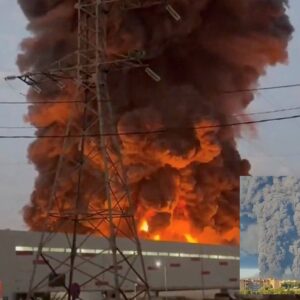
The growing conflict has already spread beyond Iran. Reports on Friday said drones targeted areas near U.S. military positions in northern Iraq, while regional security alerts were also issued in Bahrain, raising concerns that the fighting could expand across the Middle East.
Why It Matters to Americans
Although the fighting is taking place overseas, the conflict could have significant consequences for Americans:
- Higher gasoline prices if oil shipments through the Strait of Hormuz are disrupted.
- Greater security concerns for U.S. troops and American citizens living or traveling in the Middle East.
- Increased market volatility, as investors react to the possibility of a wider regional war.
- Potential military escalation if both sides continue retaliatory strikes without a diplomatic breakthrough.
At this time, there has been no official announcement of a ceasefire, and military operations remain ongoing. International leaders continue to call for restraint as fears grow that the conflict could further destabilize the region.
Sources: U.S. Central Command (CENTCOM), Reuters, Associated Press.