Drooling While Sleeping: What It Means and When to Worry
Ever wake up with a wet pillow and wonder why?
Drooling while sleeping is more common than you might think—and in most cases, it’s completely normal.
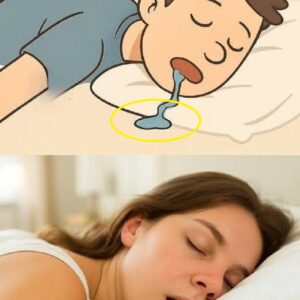
Why Does Drooling Happen?
When you fall into deep sleep, your body relaxes. The muscles that keep your mouth closed and help you swallow become less active. As a result:
- Your mouth may open slightly
- Swallowing slows down
- Saliva continues to be produced
If you sleep on your side or stomach, gravity makes it easier for saliva to escape onto your pillow.
Common Causes
Several everyday factors can increase drooling during sleep:
- Blocked nose or congestion (from colds or allergies) → forces mouth breathing
- Sleeping position → side or stomach positions make drooling more likely
- Acid reflux such as Gastroesophageal Reflux Disease → can increase saliva production
- Sleep issues like Sleep Apnea → may cause mouth breathing and drooling
When Could It Be a Sign of a Problem?
Although usually harmless, drooling can sometimes signal an underlying issue, especially if it appears suddenly or becomes severe.
Rarely, it may be linked to neurological conditions like Parkinson’s disease or problems with swallowing.
See a doctor if you notice:
- Excessive or sudden drooling
- Difficulty swallowing (dysphagia)
- Changes in speech
- Trouble eating or frequent choking
Simple Ways to Reduce Drooling
If drooling bothers you, these small changes can help:
- Sleep on your back instead of your side
- Use a slightly higher pillow
- Keep your nose clear (saline spray or steam)
- Avoid heavy or acidic foods before bedtime
- Stay well hydrated
Final Thoughts
Drooling during sleep is usually a natural part of deep relaxation—not something to worry about. However, paying attention to your body is important. If symptoms change or worsen, getting medical advice is the safest step.