What Is HPV? Key Facts You Should Know
Human Papillomavirus (HPV) is one of the most common viral infections worldwide. Most people will be exposed to it at some point in their lives, often without even knowing it.
Despite how widespread it is, HPV is still surrounded by confusion. Some people believe it always leads to serious illness, while others underestimate it. In reality, the truth lies somewhere in between.
What Is HPV?
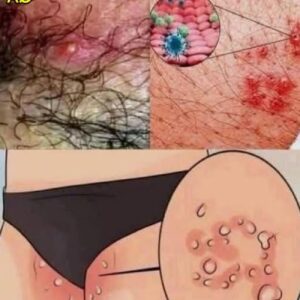
HPV refers to a group of more than 200 related viruses. It spreads mainly through close skin-to-skin contact and does not require visible symptoms to be transmitted.
In most cases, HPV infections go away on their own without causing health problems. However, some types can persist and lead to complications over time.
Types of HPV
- Low-risk HPV: May cause warts but is generally not serious
- High-risk HPV: Can lead to cell changes that require monitoring
How HPV Spreads
HPV is transmitted through direct skin-to-skin contact, often during close physical interaction. It can spread even when no symptoms are present, making it easy to pass unknowingly.
Symptoms
Most people with HPV do not experience symptoms. When symptoms do appear, they may include:
- Warts on the skin
- Changes in cells detected through medical screening
Prevention
- HPV vaccination
- Regular health screenings
- Awareness of transmission and safe practices
Key Takeaway
HPV is very common and often harmless, but awareness, prevention, and regular check-ups are essential for long-term health.